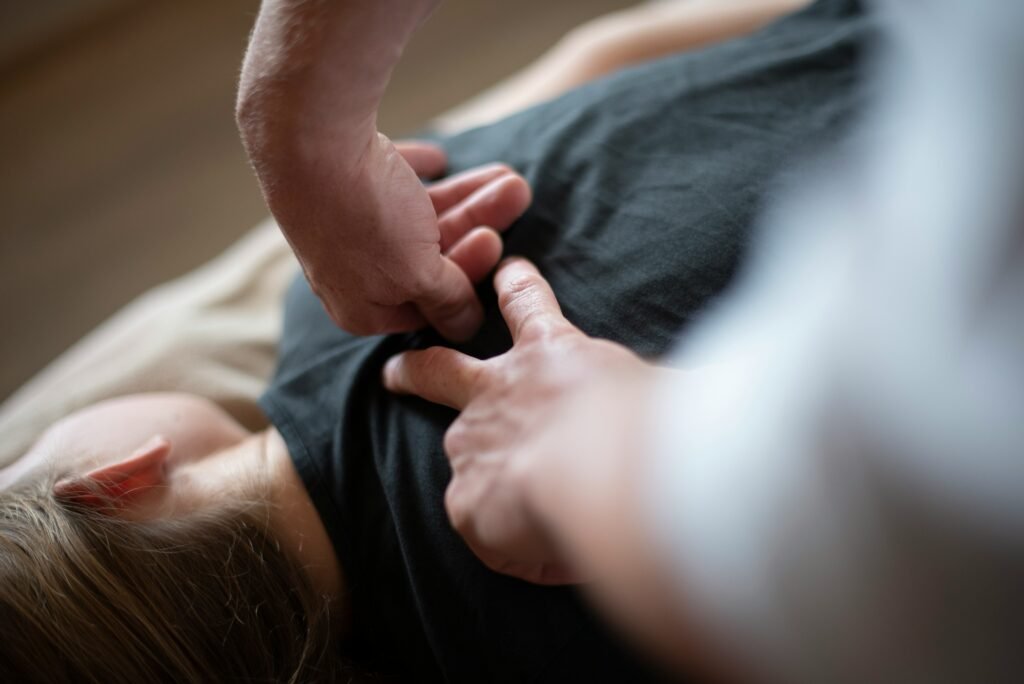
Acupuncture is a gentle, targeted treatment that helps your body heal, relax, and function better.
Below are answers to frequently asked questions about acupuncture. If you’d like more information or want to discuss whether acupuncture is right for you, please contact our office.
1. What acupuncture feels like
Acupuncture is a component of Traditional Chinese Medicine (TCM) that uses very thin, single-use sterile needles to stimulate specific points on the body. The goal is to support the body’s natural ability to regulate pain, restore balance, and improve overall function.
In TCM, symptoms are often viewed as signs that the body’s internal systems are out of harmony. Acupuncture is used to help the body “reset” by encouraging healthier patterns of circulation, relaxation, and recovery.
How it’s used today
Many people seek acupuncture for:
Pain and stiffness
Stress, sleep, and mood support
Digestive comfort
Women’s health concerns
Fatigue and low resilience
Recovery after injury or overuse
Acupuncture may be used alone or combined with related TCM methods such as cupping, gua sha, moxibustion, and Chinese herbal recommendations (when appropriate).
2. Is acupuncture safe?
When performed by a licensed professional using sterile, single-use needles, acupuncture is considered a low-risk therapy. As with any healthcare service, it’s important to discuss your medical history, medications, pregnancy status, and implanted devices before treatment.
3.What We Treat
Acupuncture is commonly used to support many functional health concerns—especially those involving pain, stress, inflammation, and recovery. Treatment plans are always individualized, based on your symptoms, health history, and goals.
Common reasons patients come in
Pain & Musculoskeletal
Neck and back pain
Shoulder, hip, knee, and ankle issues
Sciatica-type symptoms
Joint stiffness and arthritis-type discomfort
Sports injuries, overuse, and repetitive strain
Headaches (including tension-type)
Stress, Sleep & Mood Support
Stress overload and burnout
Trouble falling asleep or staying asleep
Feeling “wired but tired”
Mild anxiety patterns and tension
Digestive & Metabolic Support
Bloating, constipation, and irregular digestion
Nausea or reflux-type discomfort
Appetite and cravings support
Women’s Health
Menstrual discomfort and cycle irregularity
PMS-type symptoms
Perimenopause support (sleep, mood, hot flashes)
Allergy & Immune Resilience
Seasonal discomfort (sneezing, congestion, sinus pressure)
Frequent colds or slow recovery
Neurologic & Functional Concerns
Jaw tension / TMJ-type patterns
Nerve irritation sensations (tingling, tightness—when appropriate for acupuncture care)
Important note
Some conditions require co-management or urgent medical evaluation. If you have severe symptoms, sudden weakness/numbness, chest pain, high fever, unexplained weight loss, or any red-flag symptoms, we’ll guide you to the right level of care.
4.How acupuncture Works
Acupuncture works through a combination of traditional theory and modern physiology. From a TCM perspective, acupuncture helps restore smooth, balanced flow within the body’s “networks” (often described as meridians). From a modern lens, needling can influence the nervous system, circulation, muscle tone, and the body’s internal signaling.
What may be happening in the body
1) Nervous system regulation
Needling can help shift the body out of a prolonged “fight-or-flight” state and into a calmer, recovery-focused mode. Many patients notice reduced tension, improved sleep, and easier breathing after treatment.
2) Pain modulation
Acupuncture may reduce pain sensitivity by influencing how pain signals are processed—both locally at the tissue level and centrally through the brain and spinal cord.
3) Muscle and connective tissue effects
Targeted points may help reduce protective muscle guarding, improve range of motion, and support healthier movement patterns.
4) Circulation and healing support
Acupuncture may encourage healthy micro-circulation in certain areas, supporting tissue recovery—especially when combined with appropriate lifestyle guidance.
Why treatment plans vary
Two people can share the same diagnosis (like “low back pain”) but need different care. Acupuncture is often tailored based on:
Where symptoms show up and what triggers them
Sleep, digestion, energy, and stress patterns
Tongue/pulse findings (TCM assessment)
Posture, range of motion, and tenderness patterns
5. What to Expect at Your Visit
First visit (typically 60–90 minutes)
Your first appointment focuses on understanding the full picture—not just the symptom.
You can expect:
Health history + goal setting
We’ll talk about your main concern, overall health, lifestyle, stress, sleep, digestion, and anything that may affect recovery.Assessment
Depending on your concerns, we may check areas of tension, range of motion, tenderness, posture, and (in TCM style) tongue and pulse.Your treatment plan
We’ll explain what we’re treating, what points/techniques we’re using, and what progress typically looks like.Acupuncture treatment
You’ll rest comfortably while needles are retained (often 20–35 minutes). Many patients nap or enter a deeply relaxed state.
Follow-up visits (typically 45–60 minutes)
Follow-ups build on what we learned in the first visit:
Quick check-in on changes since last session
Focused treatment
Adjustments to frequency or approach as you improve
What to wear / bring
Wear comfortable clothing (loose sleeves/pants help)
Bring a list of medications/supplements
Eat a light meal beforehand (avoid coming in very hungry)
After treatment
Common experiences include relaxation, light soreness, improved mobility, or temporary fatigue. We’ll review after-care tips such as hydration, gentle movement, and what to avoid for 24 hours.
6. Is acupuncture safe for children?
Yes. In some instances children actually respond more quickly than adults. If your child has an aversion to needles, your acupuncturist may massage the acupuncture points. This is called acupressure or tuina.
7. Is acupuncture painful?
Most people feel minimal discomfort. Sensations can include mild pressure, warmth, tingling, or heaviness that usually fades quickly.