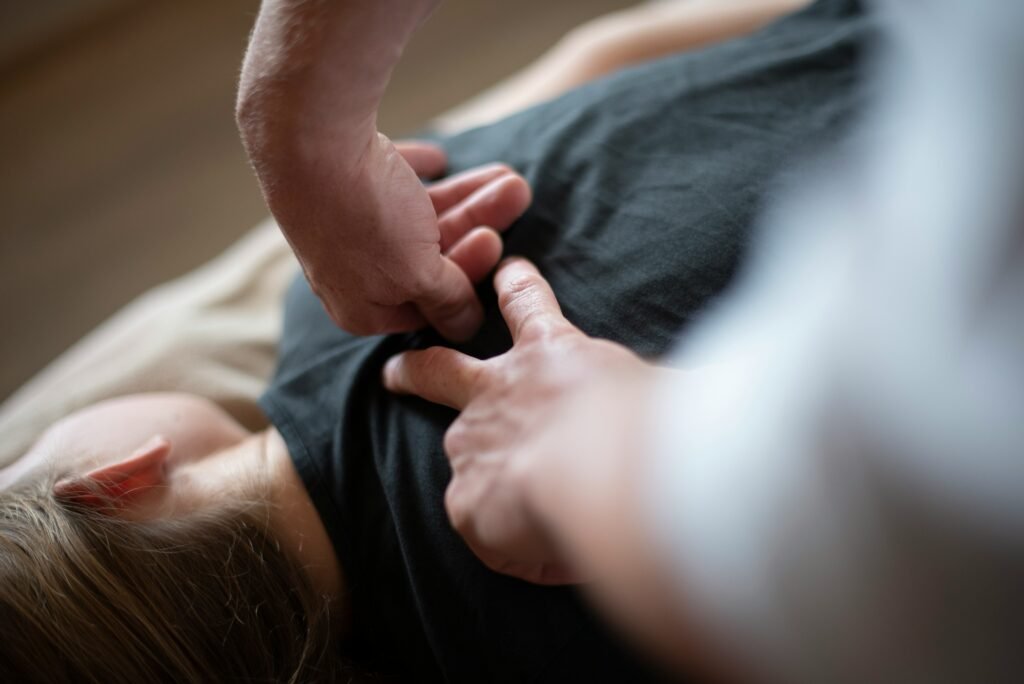
How Acupuncture Work?
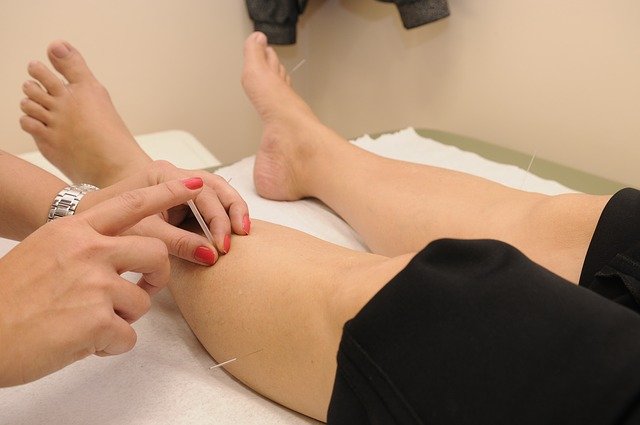
Acupuncture
Acupuncture is a therapeutic method that uses hair-thin, sterile needles placed at specific points on the body. It’s used to support the body’s natural ability to regulate pain, tension, stress response, and recovery. Many patients describe acupuncture as relaxing, and many seek it as a drug-free option for pain and wellness support.
This page explains how acupuncture works from both a Traditional Chinese Medicine (TCM) perspective and a modern physiological perspective—so you understand what’s happening and why it may help.
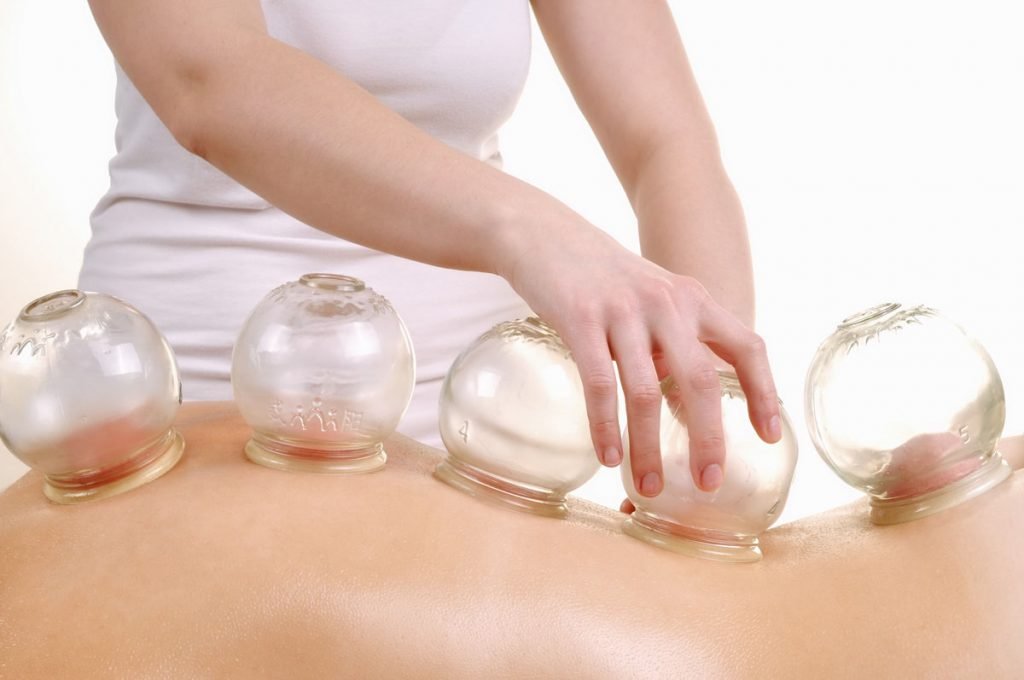
Cupping
Cupping is the term applied to a technique that uses small glass cups as suction devices that are placed on the skin. The suction in the cups causes the skin and superficial muscle layer to be lightly drawn into the cup. Cupping is much like the inverse of massage – rather than applying pressure to muscles, it uses gentle pressure to pull them upward. For most patients, this is a particularly relaxing and relieving sensation. Once suctioned, the cups are generally left in place for about ten minutes while the patient relaxes. This is similar to the practice of Tui Na, a traditional Chinese medicine massage technique that targets acupuncture points as well as painful body parts, and is well known to provide relief through pressure. The suction and negative pressure provided by cupping can loosen muscles, encourage blood flow, and sedate the nervous system (which makes it an excellent treatment for high blood pressure). Cupping is used to relieve back and neck pains, stiff muscles, anxiety, fatigue, migraines, and rheumatism.
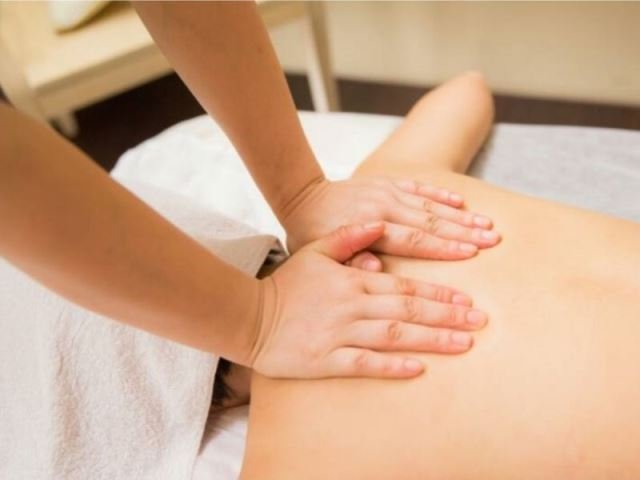
Tui-Na (Chinese Massage )
Tuina or Tui-na (pronounced twee-nah) and medical massage originated in ancient China and is believed to be the oldest system of bodywork. It’s one of the four main branches of traditional Chinese medicine, along with acupuncture, qi gong, and Chinese herbal medicine.It’s based on the theory that imbalances of Qi, which is the body’s vital life force or energy, can cause blockages or imbalances that lead to symptoms such as pain and illness. Tuina or medical massage stimulates the flow of Qi to promote balance and harmony within the body using many of the same principles of acupuncture. It’s similar to acupuncture in the way it targets specific acupoints, but practitioners use fingers instead of needles to apply pressure to stimulate these points. Tuina massage is often used in combination with acupuncture.
Please Call for medical Massage session Price (718)-6901199!
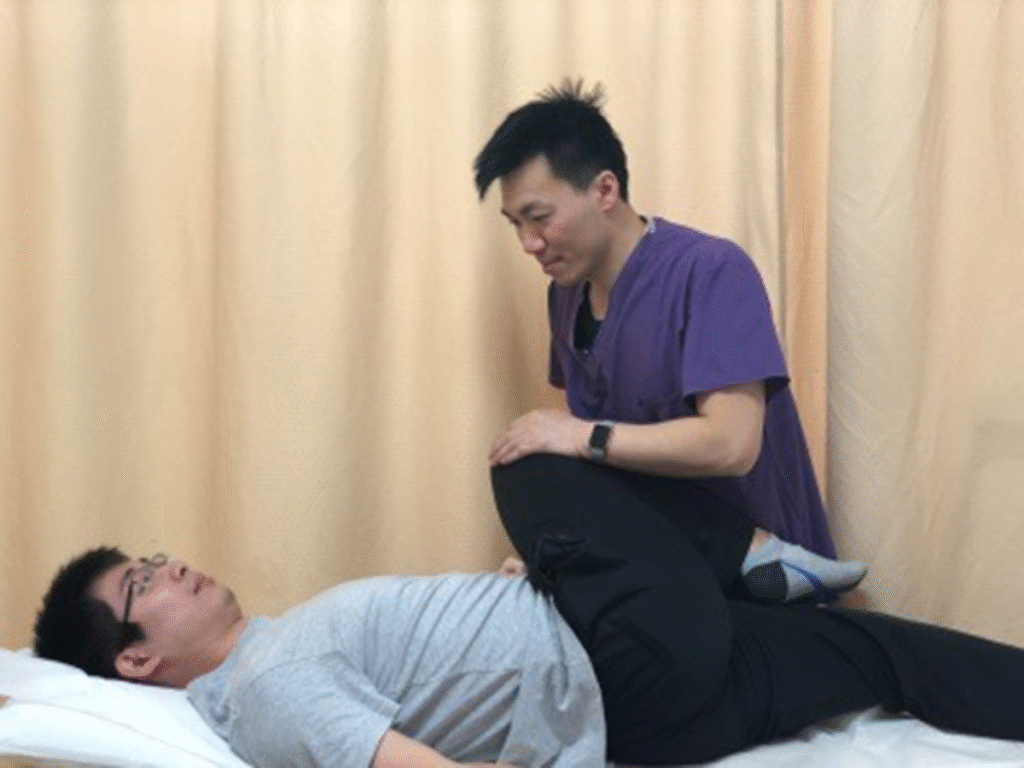
Chinese Orthopedic Adjustment
Chinese Orthopedic Adjustment The foundation of Chinese Orthopedic Adjustment includes three maintherapeutic principles: Regulating Tendons and Muscles, Adjusting Curvature,and Therapeutic Exercise. When these principles are integrated with the fourTCM orthopedic methods of Hand Manipulation, Acupuncture, Herbal Medicine,and Functional Exercise, a most powerful system of healing emerges.
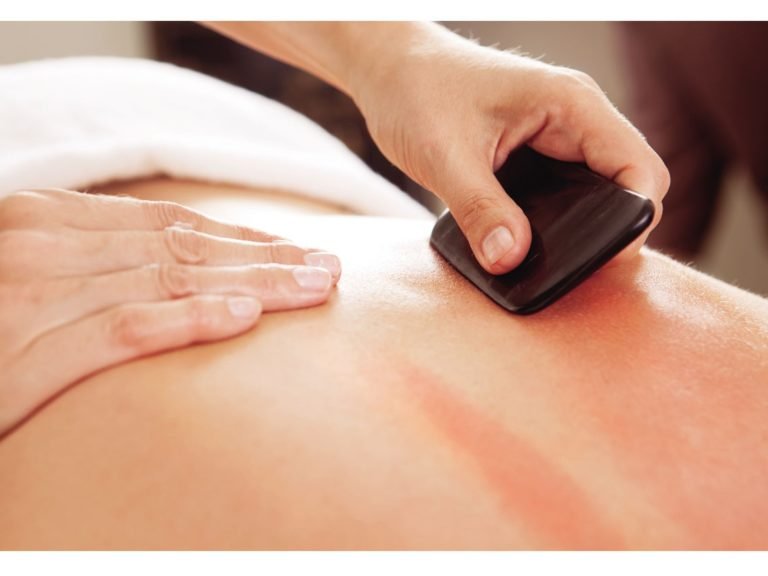
Gua sha
Gua sha is a healing technique of traditional East Asian medicine. Sometimes called ‘coining, spooning or scraping’, Gua sha is defined as instrument-assisted unidirectional press-stroking of a lubricated area of the body surface to intentionally create transitory therapeutic petechiae called ‘sha’ representing extravasation of blood in the subcutaneous.
How Acupuncture Works in Traditional Chinese Medicine (TCM)
In TCM, health is viewed as balance and smooth movement of the body’s functional energies—often described as Qi (vital energy) and Blood circulation. Symptoms like pain, tightness, fatigue, or digestive upset may reflect patterns such as:
-
Qi stagnation (tension, tight muscles, stress buildup)
-
Blood stasis (sharp pain, fixed pain, old injuries)
-
Deficiency patterns (low energy, poor sleep, slow recovery)
-
Imbalances of organ systems (e.g., Liver, Spleen, Kidney patterns in TCM)
Acupuncture points are chosen to help restore balance, support circulation, and encourage the body back toward healthier function.